

Innovation
Digital Transformation
Digitalization is no longer optional—it's foundational. Modern businesses rely on smart technologies, cloud platforms, and data-driven insights to thrive in the digital economy.
Digital platforms, automation tools, and AI integration are helping organizations optimize workflows, enhance customer experience, and respond faster to changing markets.
Global Impact
Digital Adoption Status
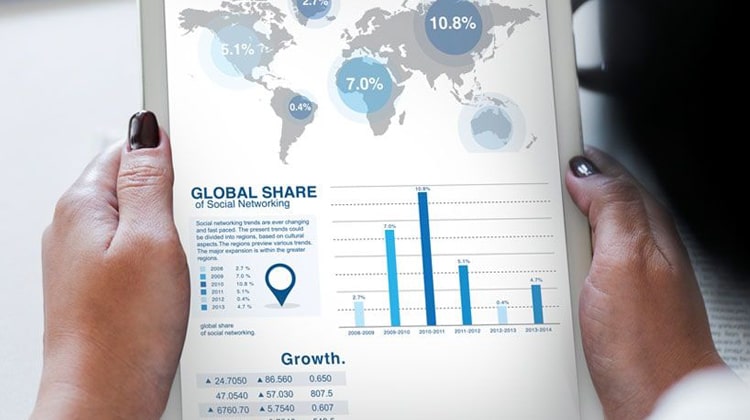
Over 65% of global GDP is expected to be digitized by 2025. Small businesses are rapidly adopting cloud and SaaS platforms, while large enterprises drive AI and IoT deployment.
However, challenges such as cybersecurity, data governance, and digital skill gaps remain significant barriers in both public and private sectors.
Legacy Systems
Cloud-native Architecture
System Comparison
Industry Trends
Market Research
The global digital transformation market is projected to exceed $3.3 trillion by 2030. Businesses that fail to adapt risk being left behind.
Sectors like retail, finance, healthcare, and manufacturing are leading innovation through automation, AI, and customer-centric digital platforms.
Key Enablers
Core Technology
Core digital technologies include Artificial Intelligence, Machine Learning, IoT, cloud computing, RPA, blockchain, and edge computing, driving innovation across industries.
Efficiency
Business Value & ROI
Digitalization reduces costs, improves data accuracy, enhances productivity, and creates new revenue models. It enables companies to scale quickly and adapt efficiently.
Smart Systems
Digital Management Platform
Integrated digital platforms offer centralized control over operations, from ERP to CRM to analytics, enabling seamless communication and smart decision-making.

Industrial Use
Factories are adopting digital twins, predictive maintenance, and robotics to enhance operational efficiency and reduce downtime.